

Qatar's skyline tells the story of a nation that has transformed itself in just a few decades. Ancient forts stand alongside futuristic museums, desert-inspired masterpieces rise from the coastline, and cultural landmarks designed by some of the world's most celebrated architects have turned Doha into one of the Middle East's most exciting architecture destinations. From Jean Nouvel's desert-inspired National Museum to I.M. Pei's timeless Museum of Islamic Art, every structure reflects Qatar's ambition to preserve its heritage while embracing innovation.
1. National Museum of Qatar
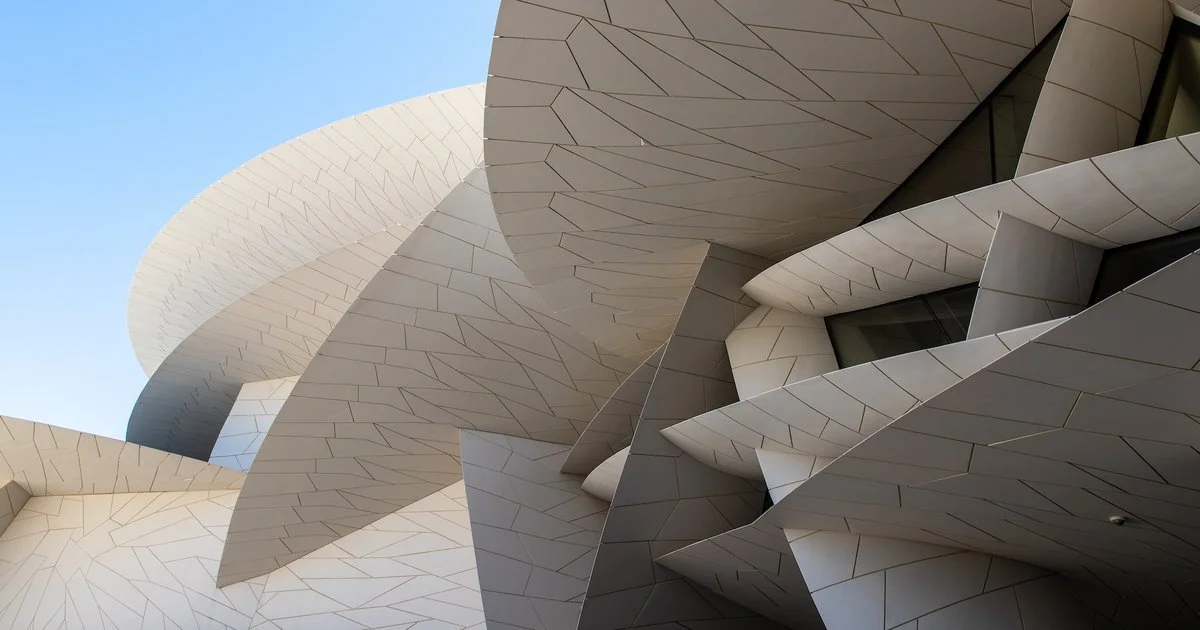
Designed by Pritzker Prize-winning architect Jean Nouvel Ateliers Jean Nouvel , the National Museum of Qatar is inspired by the crystal formations of the desert rose. Its interlocking discs surround the former palace of Sheikh Abdullah bin Jassim Al Thani, blending Qatar's history with one of the world's most recognizable contemporary museum designs.
2. Museum of Islamic Art
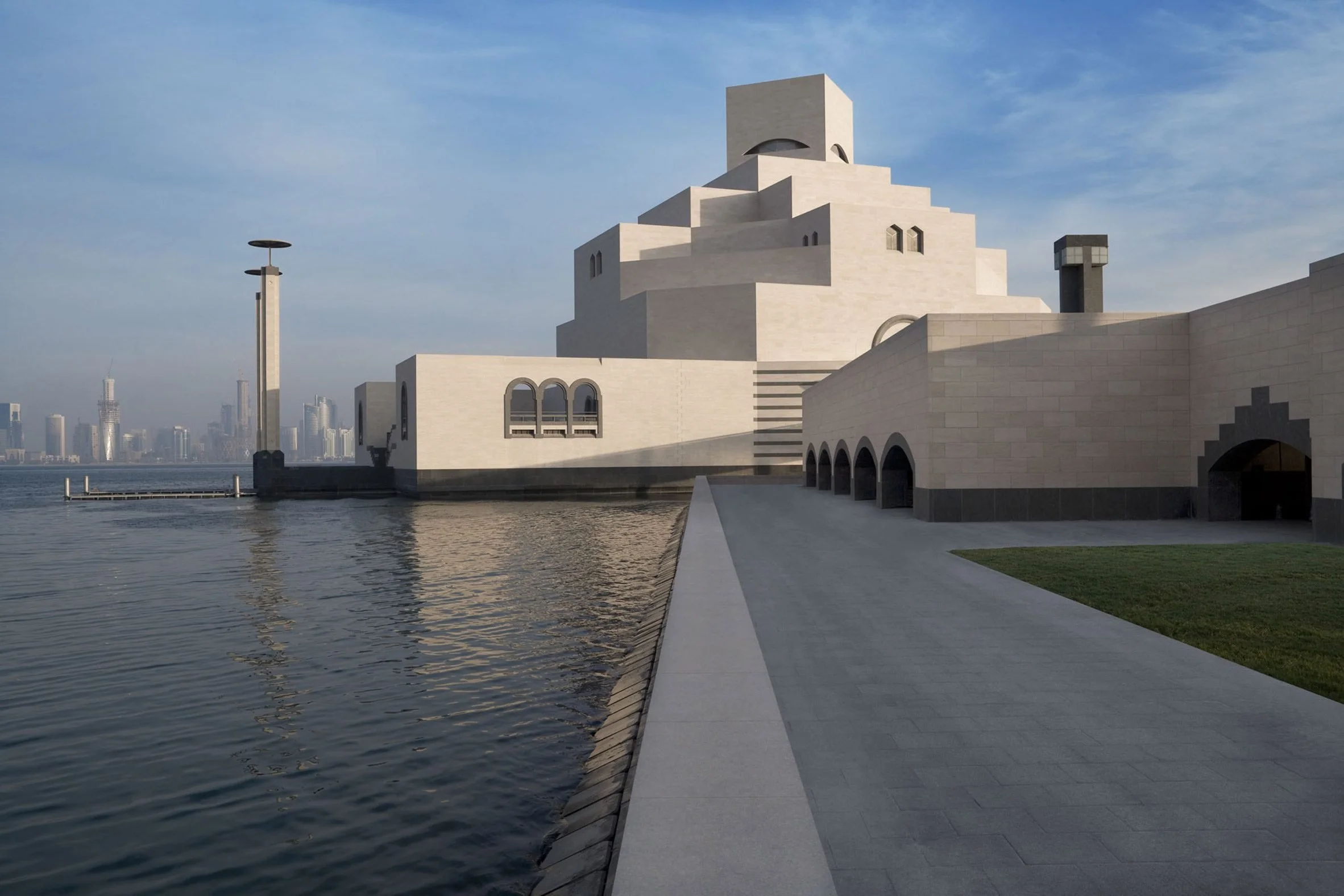
Standing on its own island along the Doha Corniche, I.M. Pei Foundation I.M. Pei's masterpiece is one of the country's most iconic landmarks. Inspired by centuries of Islamic architecture, the museum houses one of the world's finest collections of Islamic art while offering panoramic views of Doha's skyline.
Highlight: The cream-coloured limestone exterior captures the changes in light and shade during the day.
3. Qatar National Library
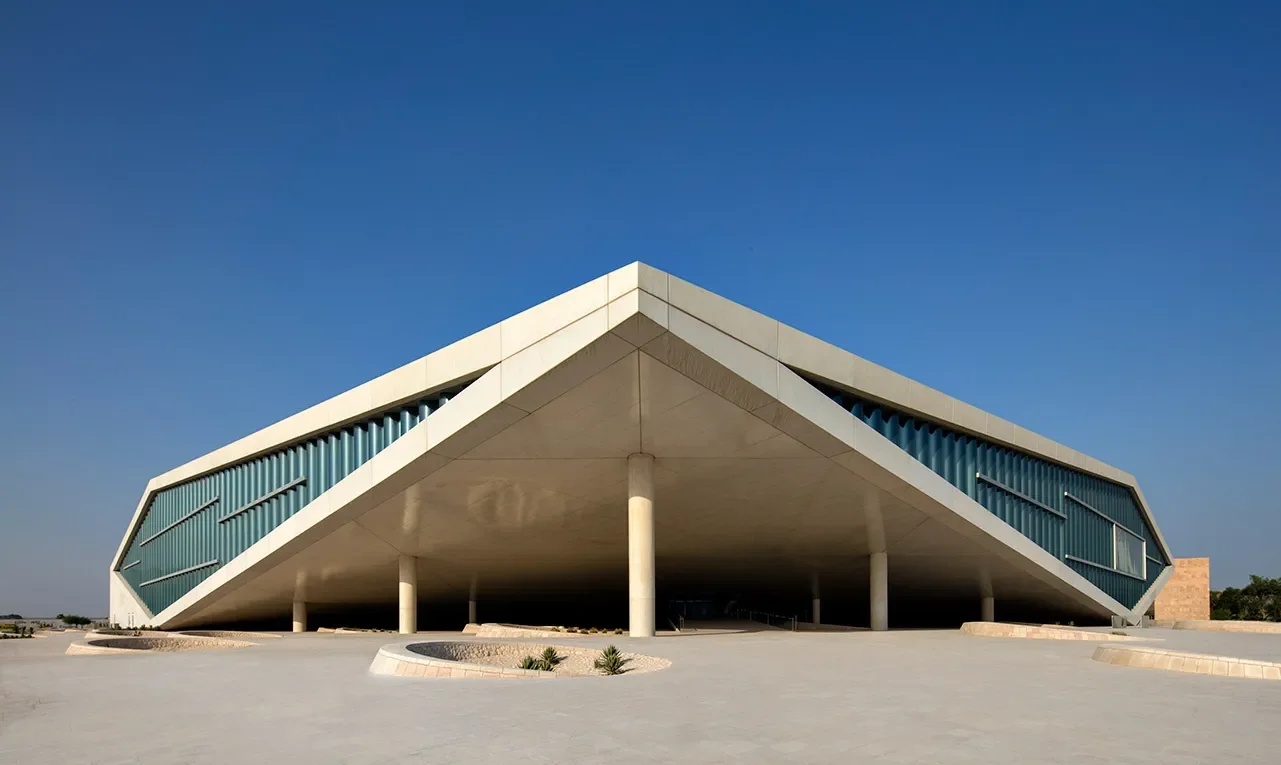
Designed by Dutch architect Rem Koolhaas OMA , the Qatar National Library reimagines the traditional library with a vast open-plan interior, flooded with natural light. Beyond its striking architecture, it preserves rare manuscripts and historical collections dating back centuries.
4. Katara Towers
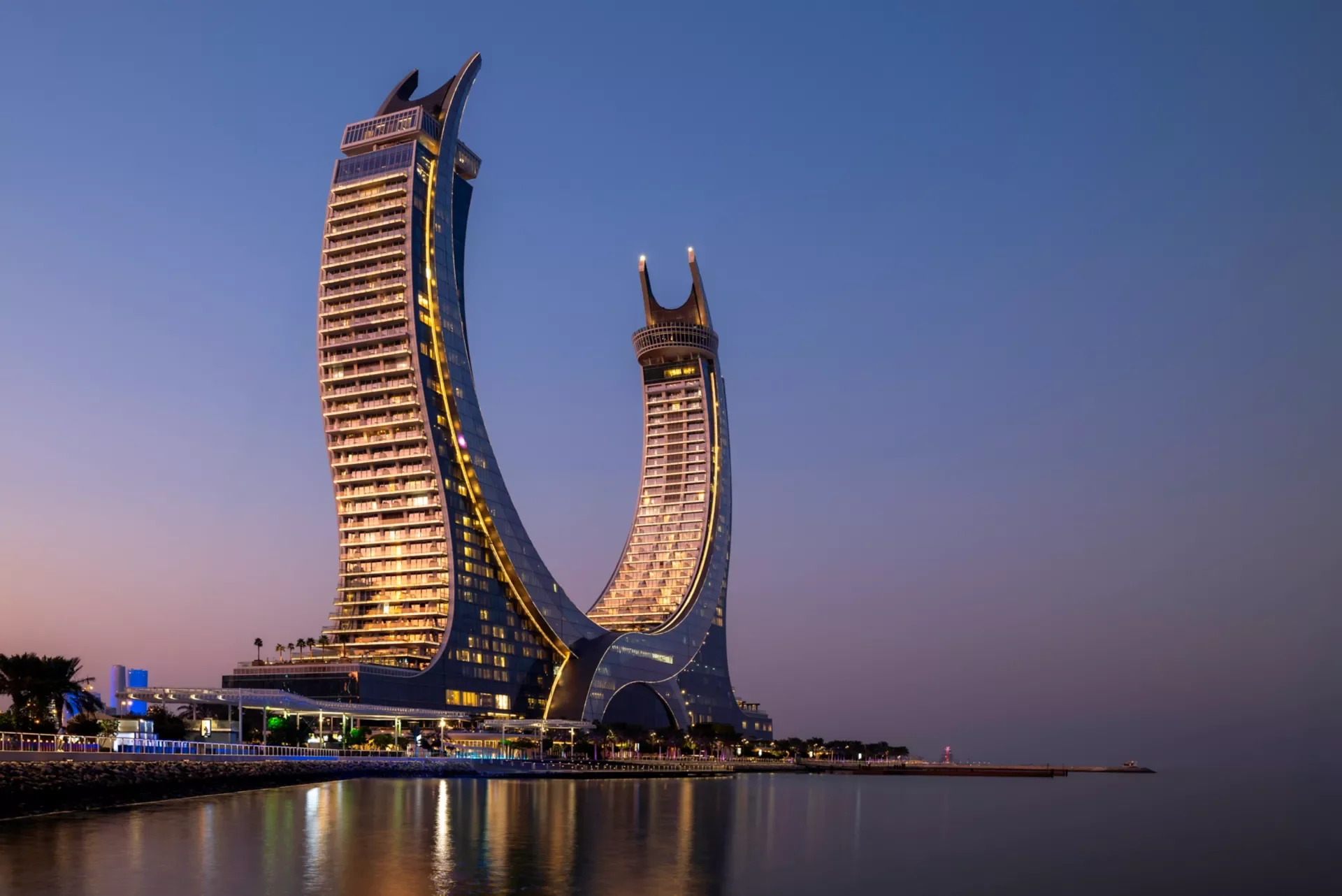
Designed by the architectural firm Dar Al Handasah Nazih Taleb & Partners with façade design by OBMI. Shaped like two crossed scimitars from Qatar's national emblem, Katara Towers have quickly become the symbol of Lusail City. Home to luxury hotels like Fairmont Doha and Raffles Doha , restaurants, and entertainment venues. The towers represent Qatar's modern identity.
5. Burj Doha
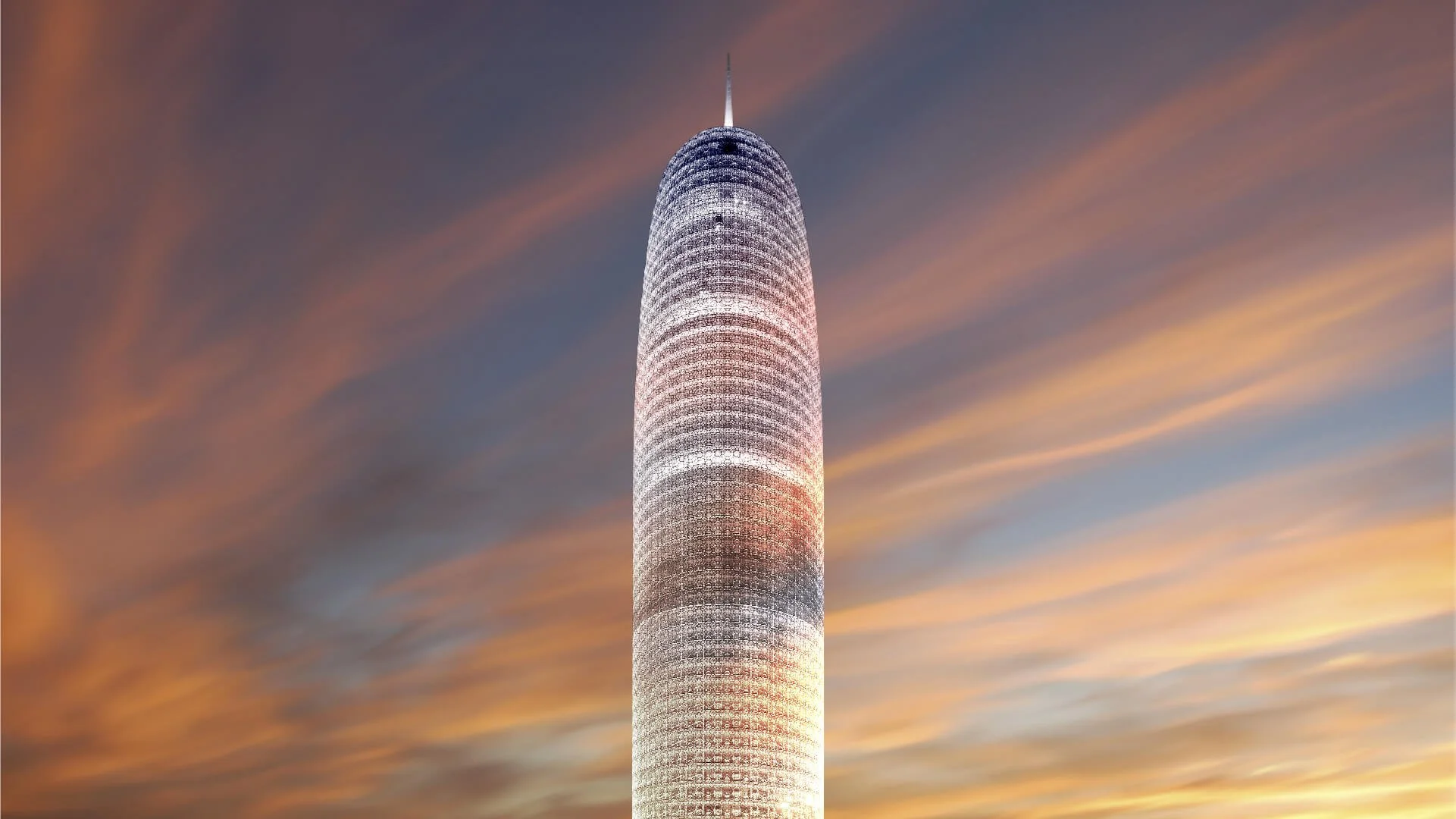
Designed by Jean Nouvel Ateliers Jean Nouvel , Burj Doha is instantly recognizable for its cylindrical silhouette wrapped in an intricate mashrabiya inspired facade. The design naturally reduces heat while creating one of the Gulf's most elegant skyscrapers.
6. Lusail Stadium
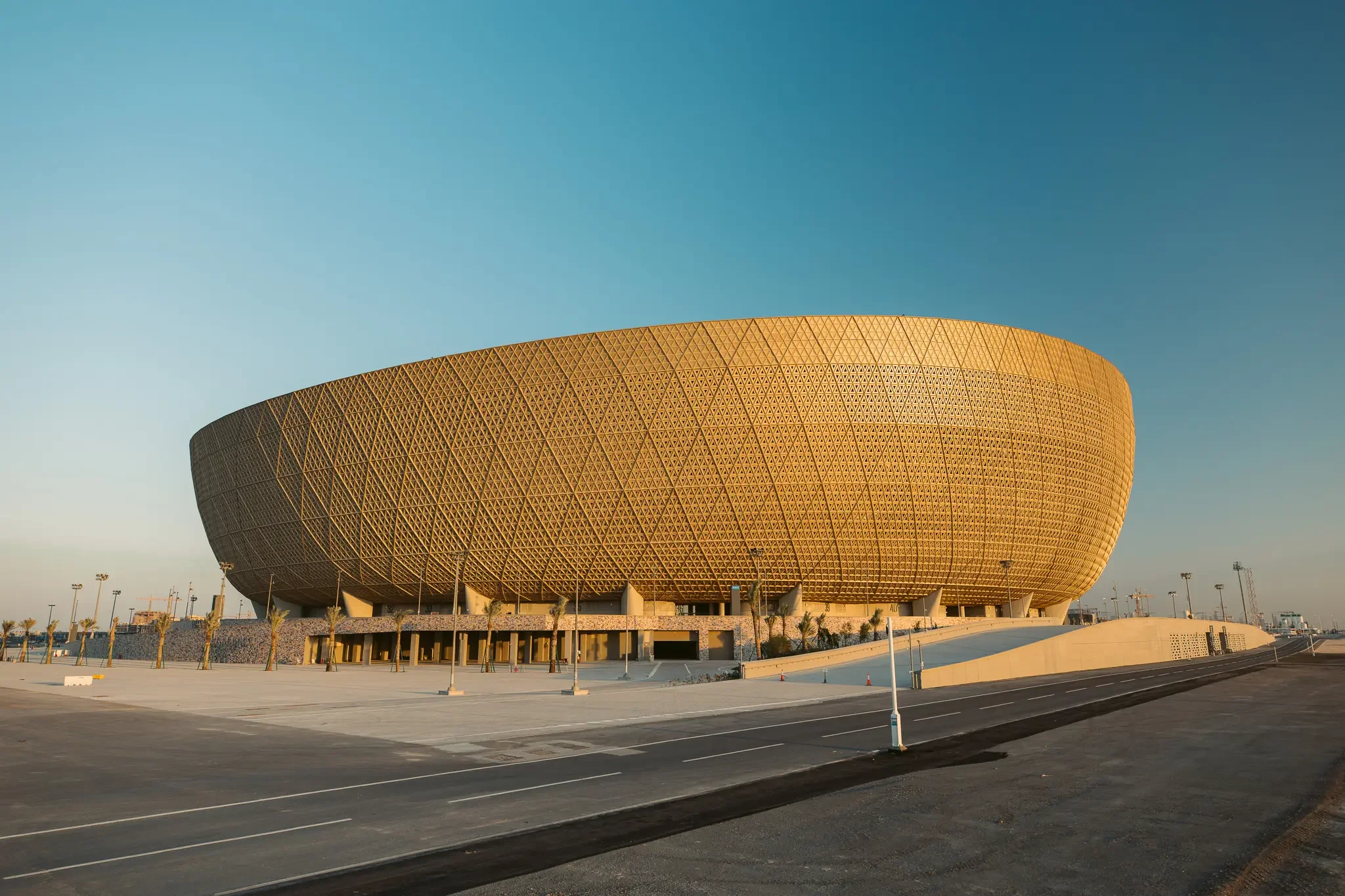
Designed by Foster + Partners in collaboration with Populous, Lusail Stadium is Qatar’s largest football stadium and one of the most iconic architectural landmarks of the FIFA World Cup Qatar 2022™. Inspired by the interplay of light and shadow created by traditional fanar lanterns, its golden façade reflects Qatar’s heritage while embracing modern engineering and sustainable design.
Highlight: solar cooling system contributing to a zero carbon footprint
7. Education City Mosque
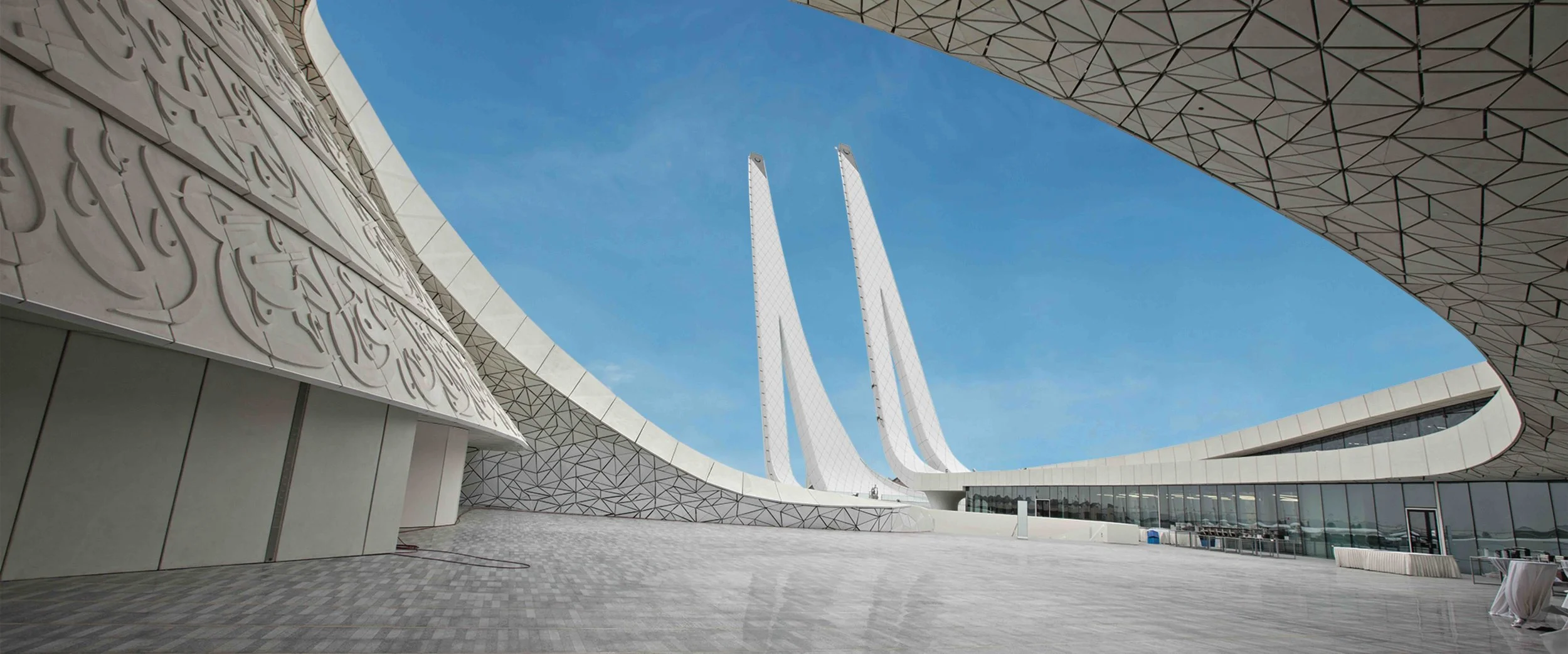
As a part of Hamad Bin Khalifa University’s College of Islamic Studies (CIS), the mosque’s architecture offers a reflection on knowledge and faith. Designed by Iraqi architect and calligrapher Taha al-Hiti, the minarets feature vertical calligraphy that sweeps upward, taking the viewer’s eye heavenward in a contemplation of faith and meaning. The mosque is supported by five pillars, each representing one of Islam’s pillars:
Shahada (profession of faith)
Salah (prayer)
Zakat (giving alms)
Sawm (fasting)
Hajj (pilgrimage)
8. National Convention Centre Qatar (QNCC)
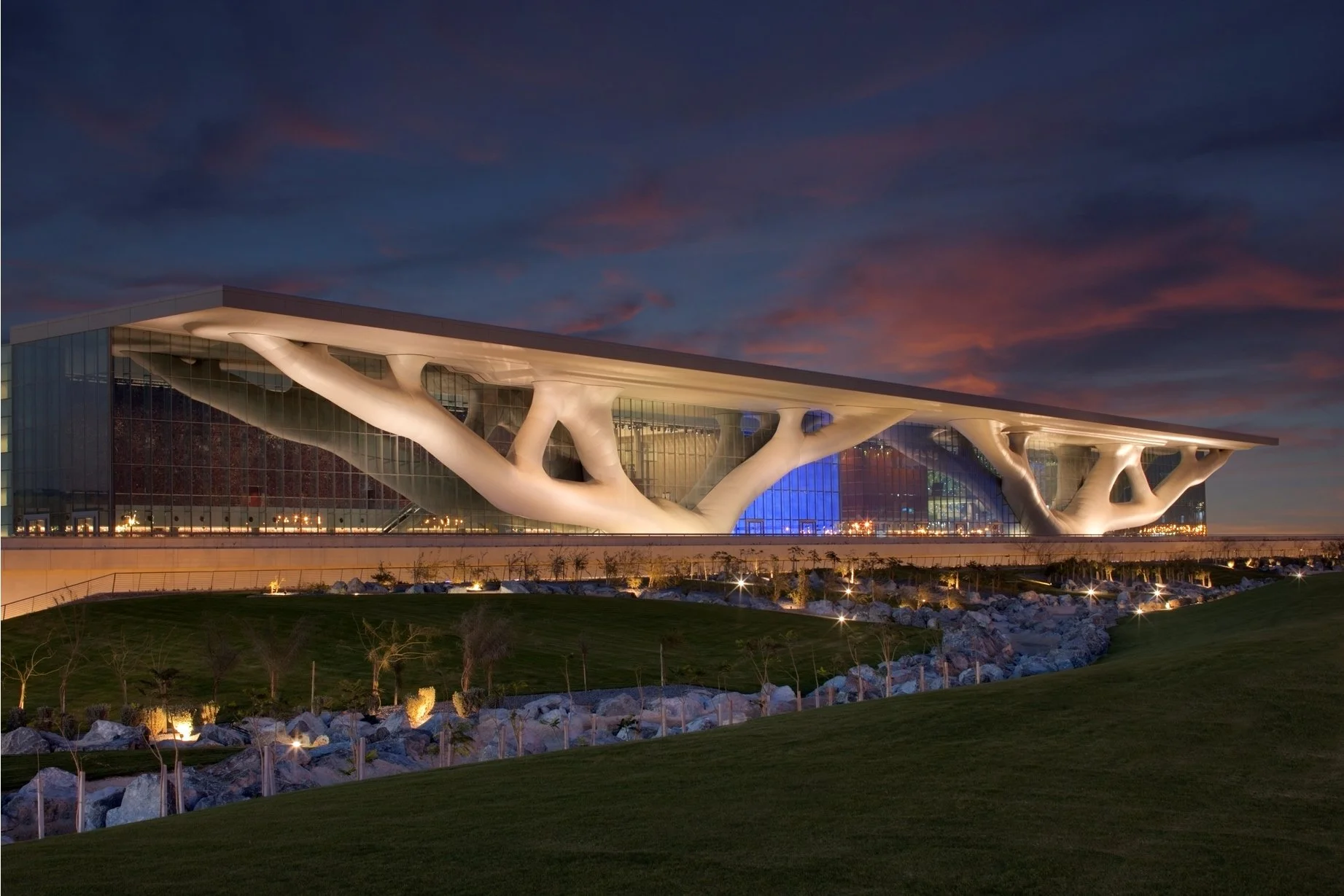
Stands as a stunning symbol of the country's dynamic vision, cultural heritage, and forward-thinking innovation. The design of the QNCC is a vivid illustration of the seamless blend of tradition and modernity, capturing the essence of Qatar’s unique blend of past, present, and future. Inspired by the Sidra tree. QNCC was designed by the renowned Japanese architect Arata Isozaki Arata Isozaki & Andrea Maffei Associati
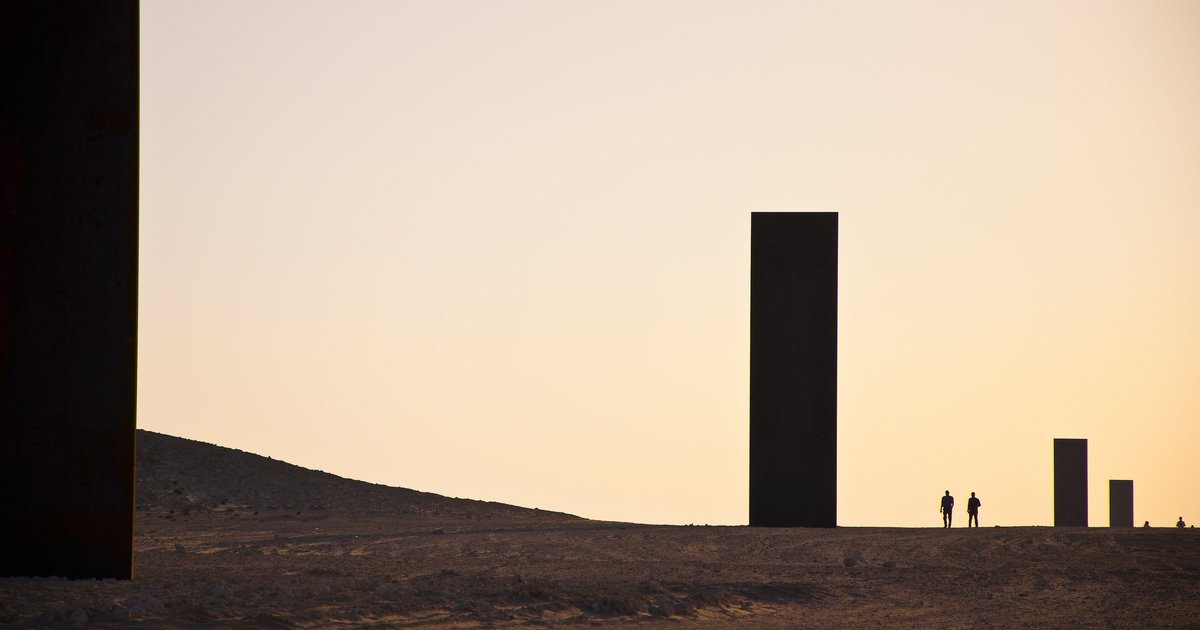
9. East-West/West-East
By American sculptor #RichardSerra One of Qatar’s most iconic artworks, this monumental installation features four steel plates rising up to 14 meters high across the remote desert landscape. The work explores the relationship between humanity, nature, and time, creating a powerful dialogue between art and the vast desert surroundings.
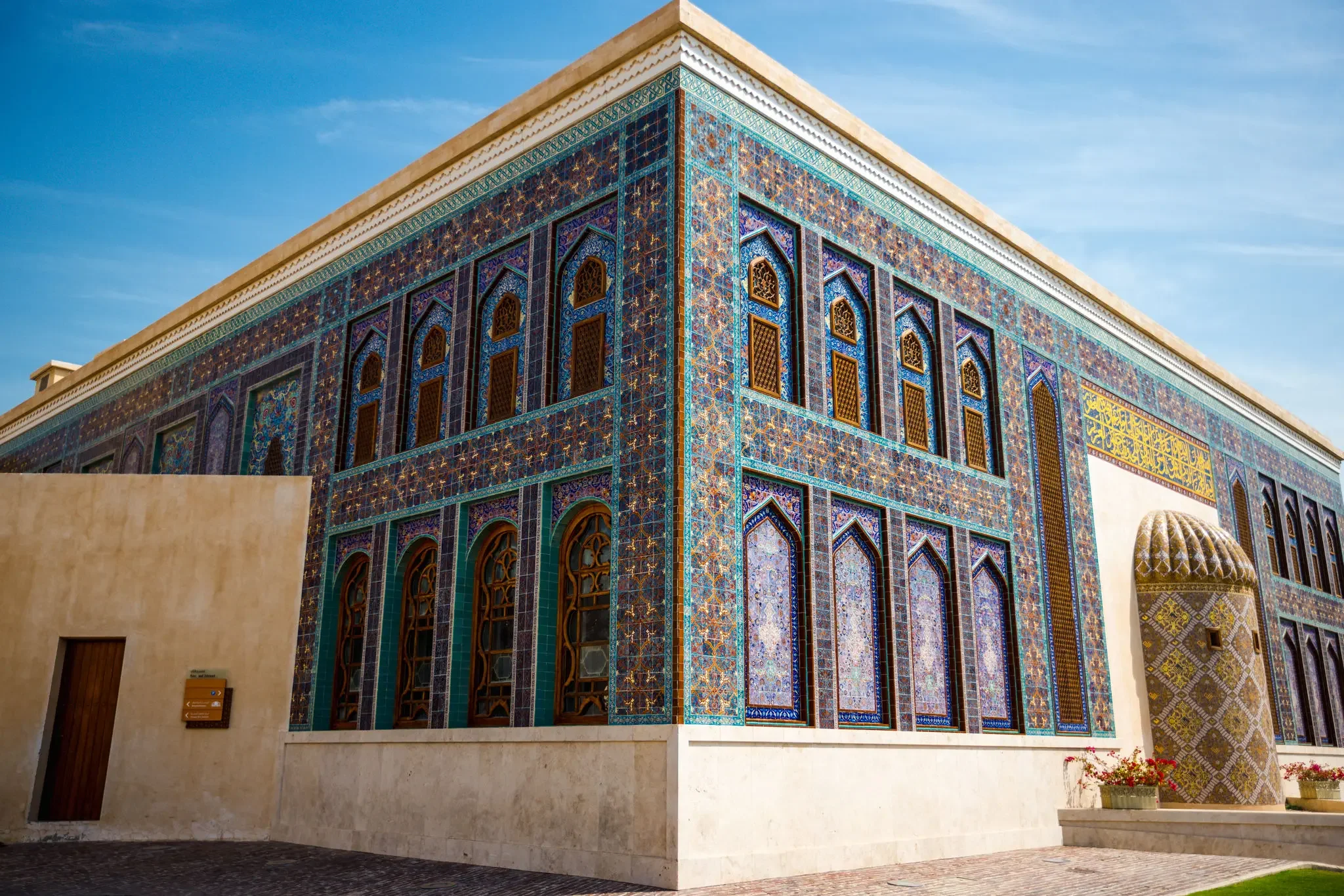
10. Katara Mosque
Also known as the Blue Mosque of Katara, this stunning landmark is one of Qatar’s most distinctive religious buildings. Designed by Turkish architect Zainab Fawwaz, the mosque features intricate blue and gold mosaic tiles, elegant minarets, and detailed Islamic geometric patterns inspired by historic mosques from around the world.
Architecture in Qatar is far more than impressive skylines. Every landmark reflects a chapter of the country's story, from its pearl-diving heritage and Islamic traditions to its vision for the future. Whether you're exploring Doha for a weekend or planning a longer journey, these architectural icons offer one of the best ways to understand the character and ambition of modern Qatar.
Discover more of Qatar architecture with Awage Destinations
#AwakenTheUnseen